Sustainability Standards Driving Industry Change in 2025
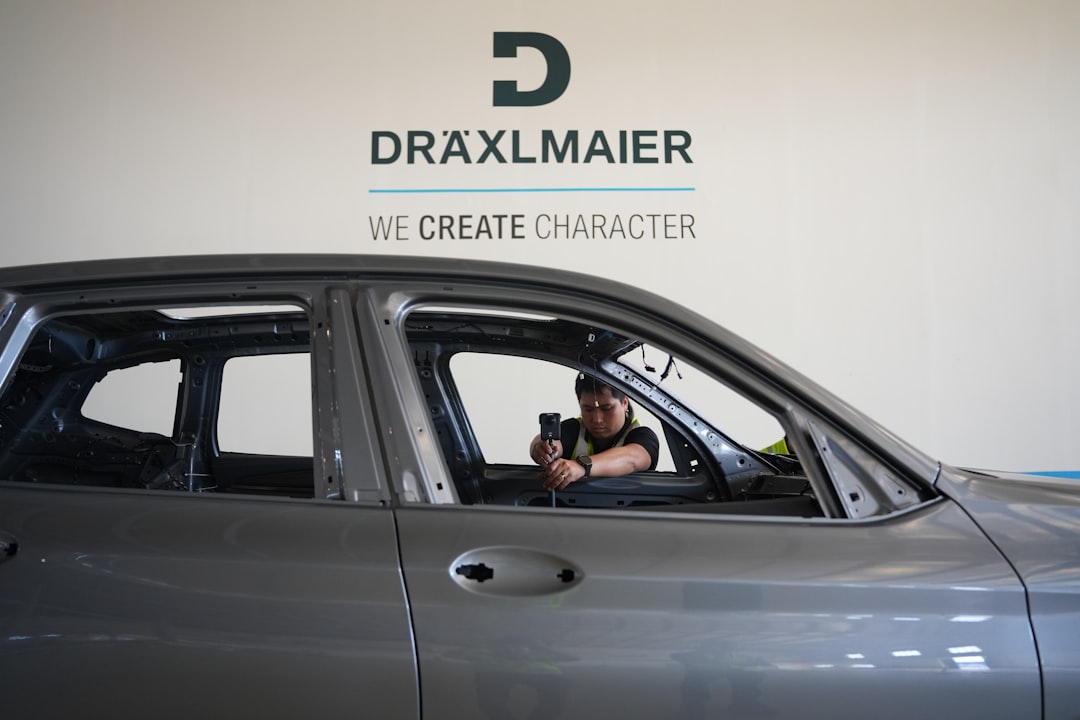
Environmental sustainability has transformed from peripheral concern to central strategic imperative for Germany's automotive industry. Regulatory pressures, consumer expectations, investor requirements, and competitive dynamics are converging to make sustainability a defining characteristic of successful manufacturers. German automakers, historically focused primarily on engineering excellence, now integrate environmental considerations throughout their operations, from raw material sourcing through end-of-life vehicle recycling.
Regulatory Landscape
European Union regulations drive much of the automotive industry's sustainability focus. The EU's Corporate Sustainability Reporting Directive requires large companies to disclose detailed environmental impacts, forcing transparency about emissions, resource consumption, and environmental risks. The Carbon Border Adjustment Mechanism will impose tariffs on imports based on embedded carbon, creating competitive advantages for low-carbon production processes.
Vehicle emissions regulations continue tightening. The EU's Euro 7 standards, effective from 2025, impose stringent limits on pollutants including nitrogen oxides and particulate matter. More significantly, the EU plans to ban new internal combustion vehicle sales from 2035, essentially mandating full electrification. German manufacturers recognize that regulatory trends favor zero-emission vehicles regardless of technological preferences or historical investments.
Beyond vehicle emissions, regulations increasingly address production processes. The EU Battery Regulation establishes minimum recycled content requirements, mandates carbon footprint declarations, and requires due diligence on human rights and environmental impacts throughout supply chains. These regulations force manufacturers to understand and control their entire value chains, extending responsibility far beyond assembly plants.
Carbon Neutral Production
Major German automakers have committed to carbon-neutral production across their manufacturing networks. Mercedes-Benz pledged that all European factories would be carbon-neutral by 2022, achieved through renewable energy procurement, energy efficiency improvements, and offsetting remaining emissions. Volkswagen Group targets carbon-neutral production globally by 2050, with European facilities carbon-neutral by 2030. BMW aims for climate-neutral production by 2030.
These commitments require massive operational changes. Renewable energy procurement represents the largest lever. Manufacturers install on-site solar arrays, purchase renewable electricity through power purchase agreements, and invest directly in wind and solar projects. Volkswagen's Zwickau plant, producing the ID electric vehicle family, operates entirely on renewable electricity from hydropower and on-site solar installations.
Energy efficiency improvements complement renewable energy adoption. LED lighting retrofits reduce electrical consumption by 40-50 percent compared to traditional fixtures. Heat recovery systems capture waste heat from production processes, using it for facility heating. Advanced building management systems optimize climate control based on occupancy, production schedules, and weather forecasts. These measures collectively reduce energy consumption by 20-30 percent in retrofitted facilities.
Circular Economy Principles
The circular economy concept aims to eliminate waste by keeping materials in productive use indefinitely. Rather than the traditional linear model of extraction, production, use, and disposal, circular approaches design products for disassembly, remanufacturing, and recycling. German automakers increasingly embrace circular principles, driven by resource scarcity concerns, regulatory requirements, and cost reduction opportunities.
Vehicle design profoundly influences circularity potential. Volkswagen's design guidelines now require that new vehicles contain minimum percentages of recycled materials, with targets increasing over time. Engineers must design components for easy disassembly, minimizing permanent joints that complicate recycling. Material selection prioritizes recyclability, avoiding composite materials that are difficult to separate and process.
BMW's Leipzig plant demonstrates circular economy implementation at scale. The facility's bodyshop scrap metal is collected, sorted, and returned to steel suppliers, who reprocess it into new sheet metal for vehicle production. Plastic components from end-of-life vehicles are granulated and incorporated into new parts. Even production waste heat is captured and sold to adjacent industrial facilities, turning waste into revenue.
Sustainable Material Sourcing
Raw material extraction and processing generate substantial environmental impacts, often exceeding vehicle assembly emissions. Aluminum production is particularly energy-intensive, requiring approximately 15 kWh per kilogram when produced from bauxite ore. Steel production emits over 2 tons of CO2 per ton of steel using traditional blast furnace processes. Battery materials like lithium and cobalt raise environmental and social concerns about mining practices.
German manufacturers address these challenges through multiple strategies. Recycled material content reduces primary extraction requirements. Mercedes-Benz sources recycled steel and aluminum for certain components, reducing the carbon footprint by 40-60 percent compared to primary materials. The company targets 40 percent recycled material content across its vehicle portfolio by 2030.
Supply chain engagement extends sustainability requirements to suppliers. Volkswagen's sustainability rating system evaluates suppliers on environmental performance, requiring continuous improvement plans from underperformers. The company conducts environmental audits at supplier facilities and provides technical assistance for efficiency improvements. Suppliers that fail to meet environmental standards risk losing business as manufacturers prioritize sustainable sourcing.
Water Management
Automotive manufacturing requires substantial water for painting processes, cooling systems, and facility operations. A typical vehicle production plant consumes millions of liters daily, creating both supply challenges and wastewater treatment obligations. Water scarcity concerns in many regions make water management an increasing priority.
BMW's Spartanburg plant in the United States demonstrates advanced water management, principles applicable to German facilities. The plant treats and recycles wastewater, achieving 85 percent water reuse rates. Rainwater collection systems capture precipitation for non-potable applications. Process improvements reduced water consumption per vehicle by 22 percent over five years despite production volume increases.
Closed-loop water systems minimize consumption and wastewater discharge. In paint shops, the most water-intensive production area, countercurrent rinsing systems cascade water through multiple stages, using each batch multiple times before treatment and recycling. Advanced filtration allows indefinite water reuse for many applications, essentially eliminating consumption beyond evaporation losses.
Biodiversity Protection
Manufacturing facilities occupy significant land areas, potentially affecting local ecosystems and wildlife habitats. Progressive manufacturers recognize responsibilities extending beyond facility fences to surrounding environments. Biodiversity initiatives create environmental benefits while improving community relations and regulatory compliance.
Volkswagen's Wolfsburg plant maintains over 100 hectares of natural areas including forests, wetlands, and meadows. These areas provide wildlife habitat while serving as recreational spaces for employees. Beehive installations support pollinator populations, with honey production providing employee benefits and community engagement opportunities. Native plant landscaping reduces maintenance requirements while supporting local ecosystems.
Some facilities achieve net positive biodiversity impacts, creating more valuable habitats than existed before plant construction. This involves restoring degraded lands, creating wetlands that filter runoff while providing wildlife habitat, and establishing wildlife corridors connecting fragmented habitats. These efforts generate measurable environmental improvements while differentiating companies as environmental leaders.
Product Lifecycle Sustainability
Comprehensive sustainability requires considering entire product lifecycles, from raw material extraction through manufacturing, use phase, and end-of-life disposition. For electric vehicles, use phase emissions approach zero with renewable electricity, shifting focus to manufacturing and materials. This lifecycle perspective drives different optimization strategies than combustion vehicle sustainability.
Battery production represents the largest manufacturing emissions source for electric vehicles. Current production processes generate approximately 75-200 kg CO2 per kWh of battery capacity, meaning a 75 kWh battery pack carries 5,600-15,000 kg of embedded CO2. Manufacturers reduce these emissions through renewable energy for cell production, improved manufacturing efficiency, and recycled material content. Next-generation production processes target 50 percent emission reductions.
End-of-life vehicle recycling recovers valuable materials while preventing environmental contamination. European regulations mandate that 95 percent of vehicle weight must be recoverable, with 85 percent recyclable. Modern vehicles achieve these targets, with steel and aluminum extensively recycled. Battery recycling, critical for electric vehicles, is scaling rapidly. Pilot facilities recover over 95 percent of battery materials including lithium, nickel, cobalt, and manganese, proving technical feasibility ahead of regulatory requirements.
Transparency and Reporting
Credible sustainability requires transparent reporting verified by independent auditors. German automakers publish detailed sustainability reports documenting environmental performance, goals, and progress. These reports disclose energy consumption, emissions, water use, waste generation, and numerous other metrics. Third-party verification provides assurance that reported data accurately reflects actual performance.
Carbon footprint declarations for individual vehicles enable informed consumer choices. Mercedes-Benz publishes lifecycle carbon footprints for its models, documenting emissions from raw material extraction through 200,000 kilometers of operation. These assessments reveal that electric vehicles powered by renewable electricity generate 70-80 percent lower lifecycle emissions than equivalent combustion vehicles, providing quantitative support for electrification strategies.
Sustainability reporting standards continue evolving toward greater detail and comparability. The Task Force on Climate-related Financial Disclosures framework requires companies to assess climate risks and opportunities, disclose governance approaches, and describe strategic responses. The Science Based Targets initiative validates that corporate emissions reduction commitments align with Paris Agreement temperature goals. German automotive companies increasingly adopt these frameworks, demonstrating commitment to sustainability leadership.
Future Trajectory
Sustainability will only grow more central to automotive competitiveness. Consumer preferences increasingly favor environmentally responsible brands. Investors integrate environmental performance into valuation models and capital allocation decisions. Regulations will continue tightening, with carbon pricing, material restrictions, and reporting requirements expanding. German manufacturers that excel at sustainability will enjoy competitive advantages in markets where environmental performance influences purchasing decisions and regulatory compliance determines market access. The transformation toward sustainability, while challenging, positions the industry for long-term success in a carbon-constrained world.